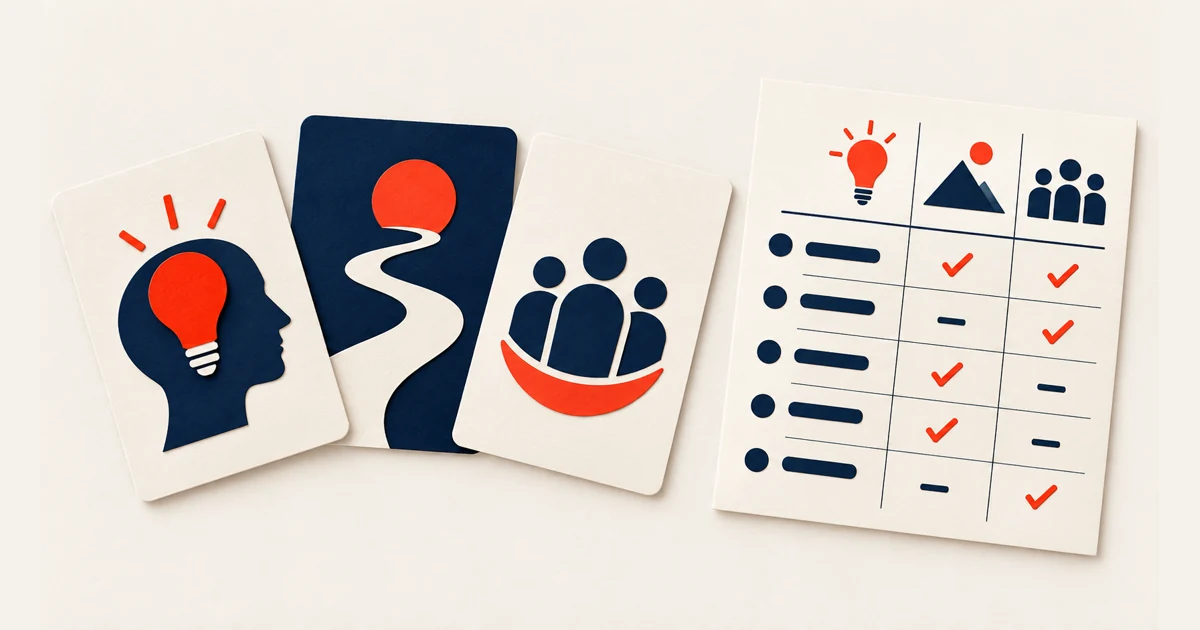
Refreshing medical ad creative should test a specific message or presentation. Replacing an image because the team is tired of it does not reveal what the audience needs. Start with an observed problem and decide how the result will be evaluated.
Identify the problem before designing
Check changes in inquiry quality, campaign performance and service availability. Do not assume creative fatigue before examining targeting, the destination page and staff response. A weak result may originate after the click. Document the evidence that justifies a new test.
Write one hypothesis
For example, test whether explaining the consultation process produces more appropriate inquiries than a broad service introduction. Keep the claim factual and the next step consistent with the page. Changing several things simultaneously may improve results, but makes the reason harder to interpret.
Develop honest alternatives
Vary the angle meaningfully. One creative could show the sequence from inquiry to consultation; another could answer a logistical question. Do not fabricate patient results, endorsements or urgency. Review substantive healthcare claims and current platform requirements before launch.
Keep the comparison interpretable
Use comparable audiences, destinations and observation windows where practical. Record the dates and other campaign changes. Review valid inquiries, contact success and bookings alongside clicks. Small samples and changing auctions limit certainty, so avoid declaring a permanent winner from a few conversions.
Preserve what the test teaches
If a process explanation attracts better-informed inquiries, include that insight in future briefs. If neither version helps, revisit the audience or page instead of endlessly changing colors. Maintain a record of the concept, result and limitations. The purpose is to learn which truthful communication helps appropriate people act, not to produce novelty for its own sake. Give every new creative a reason to exist and a fair method of evaluation.